(Image source from: Canva.com)
The US government has chosen to change the old H-1B lottery system for visas to a new plan that focuses on skilled foreign workers who earn more money. This new rule will start on February 27, 2026, and will apply to the H-1B cap registration for the 2027 financial year, with sign-ups expected in March 2026 for jobs beginning on October 1 of that year. The total number of H-1B visas given out each year will stay the same, limited to 65,000 under the regular quota, plus an extra 20,000 for those with advanced degrees from US institutions. According to the new rules, registrations will not be chosen randomly anymore. Instead, they will be evaluated based on the employer and the wage level. This change aims to prevent duplicate applications and system manipulation. Applications that offer higher salaries will have better chances of being selected, while jobs with lower pay will still qualify but with less likelihood.
This update is especially important for Indian applicants, who represent a significant portion of H-1B approvals each year, and comes as US officials are making stronger efforts to enforce rules and reduce misuse of employment-based visas. "On December 23, the Department of Homeland Security revealed a final rule to change how USCIS selects H-1B registrations for particular beneficiaries when filing H-1B cap-subject petitions. This rule creates a selection process that favors higher-skilled and better-paid workers while still allowing employers to find H-1B workers across all wage categories. This final rule takes effect on February 27, 2026, and will be used for the FY 2027 H-1B cap registration season," said a statement from the US government. The DHS noted that the rule aims to find a middle ground—tighter protections for US workers while still allowing foreign experts in areas like technology, engineering, and healthcare, where there's a higher demand than supply.
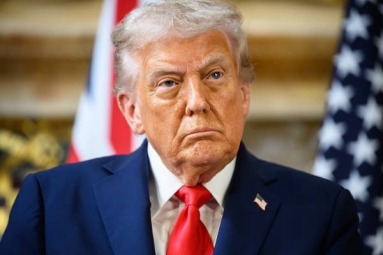
The department explained that this change is part of a larger effort to strengthen the reliability of the H-1B visa program by discouraging misuse and making the eligibility requirements stricter. This aligns with other actions taken by President Donald Trump's administration, such as a presidential proclamation that requires some employers to pay an extra $100,000 per visa to participate—this requirement has caused considerable reactions since it was announced. "The current random selection process for H-1B registrations was misused by US employers who primarily wanted to bring in foreign workers at lower wages than they would offer American employees," explained Matthew Tragesser, a spokesperson for US Citizenship and Immigration Services.
The updated system, according to him, would "better align with Congress's goals" and boost the competitiveness of the United States by encouraging employers to pursue talent with higher skills. "We will keep requiring more from both employers and foreign workers to avoid undermining American jobs and prioritize America," Tragesser mentioned, noting that additional adjustments might come as the effects of the system are evaluated. This major change comes after many years of complaints that the H-1B lottery had been open to manipulation, as some employers inundated the system with applications from lower-paid workers. Officials indicated that the new weighted method is likely to encourage businesses to change their hiring approaches, rewarding positions that offer higher salaries and specialized skills while making it tougher for lower-paid applications to control the H-1B process.
“The current random selection method for H-1B applications was misused and taken advantage of by US companies primarily wanting to bring in foreign workers at lower wages than they would pay to American employees,” explained Matthew Tragesser, a representative for US Citizenship and Immigration Services. The updated system, he noted, would "better align with Congress’s goals" and enhance the US's competitiveness by motivating employers to find higher-skilled workers.