
(Image source from: Canva.com)
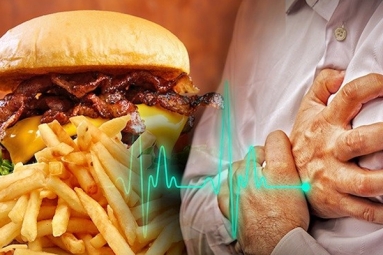
Heart disease has become more common in India. A study from 2020 published in the National Library of Medicine, named Cardiovascular disease in India: A 360 degree overview, states that “Cardiovascular diseases (CVDs) affect Indians about ten years earlier than those in Western countries. For Indians, the main concerns with CVD include early onset, fast progression, and a high death rate. Indians have the highest rates of coronary artery disease (CAD) and traditional risk factors don't fully explain this increased danger. ” The reasons often start much earlier, typically due to daily eating habits. Small, repeated food choices can slowly impact inflammation, insulin issues, belly fat build-up, and blood vessel health, sometimes without clear warning signs. Dr. Brijmohan Arora, a diabetologist from New Delhi, recently pointed out five main eating mistakes that could increase the chances of heart attacks in an Instagram post.
There is solid scientific proof that connects diet to cardiovascular disease. However, it’s vital to recognize that risk comes from overall eating habits rather than just individual foods. Major studies and analyses usually indicate that a high consumption of processed meats and refined carbohydrates is linked to a higher risk of heart illness due to larger amounts of bad fats, sodium, preservatives, and quick blood sugar increases that lead to metabolic problems. Regarding seed oils, he mentions that the research is more complex. Most clinical evidence suggests that swapping saturated fats for unsaturated fats, like those found in common vegetable oils, can actually lower bad cholesterol (LDL) and the risk of heart disease when eaten in moderation. This is supported by a 2025 article from Stanford Medicine, featuring Christopher Gardner, PhD, who directs nutrition studies at the Stanford Prevention Research Center and has researched the effects of oil and fat intake on health extensively. He told the writer of the article, “Every study for decades has shown that eating unsaturated fats instead of saturated fats lowers the LDL cholesterol levels in your blood. ” He emphasized that many assertions about seed oils being harmful are mostly incorrect. Making broader changes in diet, such as reducing ultra-processed foods and making sure to eat enough fruits and vegetables, is likely to provide much greater health benefits than overly worrying about the kind of oil used.
Issues occur when these oils are heated multiple times or mainly taken in from ultra-processed food items. Having them occasionally in a generally healthy diet is not likely to significantly boost the chance of a heart attack, but consuming them regularly along with a lazy lifestyle, smoking, and being overweight can greatly increase the risk over time. Insulin resistance and ongoing low-level inflammation are key factors behind today's heart disease. When the body does not respond well to insulin, blood sugar and insulin levels stay high, which can harm the lining of blood vessels, encourage plaque buildup, and speed up atherosclerosis. Meanwhile, constant inflammation makes existing plaques less stable, which increases the chances of them breaking apart and causing heart attacks. The good news is that both of these issues can be changed quite easily.
Cutting back on refined sugars, reducing ultra-processed foods, raising fiber intake, and adding healthy fats from things like nuts, seeds, and oily fish can enhance insulin sensitivity in just a few weeks to months. Losing weight, staying active, and getting enough sleep can further boost these improvements.