(Image source from: AFP)
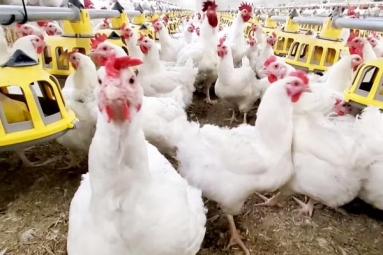
Reports of bird flu, or avian influenza, have emerged in various areas of Kerala, particularly in Alappuzha and Kottayam. Due to the increase in cases, officials in Tamil Nadu have heightened monitoring in border areas to stop the illness from entering the state. Specific safety actions have been launched under the guidance of Joint Director Dr Balakrishnan. Lakshmi Bhavya, the Nilgiris District Collector, announced that temporarily, there is a ban on moving live birds, eggs, poultry waste, and similar products from Kerala into the district as a precaution. Previously, farms in Namakkal district of Tamil Nadu, which is one of the biggest egg production locations in the country, enhanced their safety and monitoring efforts to curb the spread of the virus. Namakkal alone houses around 1,500 poultry farms and produces millions of eggs each day, serving markets across numerous Indian states and even abroad.
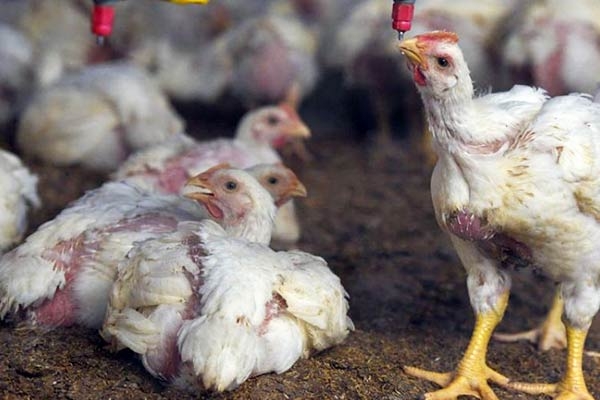
Bird flu impacts not only domestic birds like chickens, ducks, and turkeys but can also be transmitted by wild and migrating birds. There are cases where it may also pass to humans. The World Health Organization (WHO) has noted 990 human instances of bird flu from 2003 to August 2025 across 25 different countries which includes 475 fatalities, resulting in a fatality rate of 48%. With such a significant risk of death, it is crucial to remain vigilant to avoid further spread. Bird flu, also referred to as avian influenza, is caused by a kind of influenza virus. It generally spreads among birds and animals. Humans may contract bird flu when they are near infected animals. As stated by Cleveland Clinic, it is incredibly uncommon for the infection to pass from one person to another. Humans can become infected with bird flu by coming into contact with bodily fluids of infected animals, such as saliva, respiratory droplets, or feces. They may inhale it from fine dust in the animals’ living spaces or can transmit it to their eyes, nose, or mouth after touching infected fluids. According to Cleveland Clinic, eating well-cooked poultry or eggs or drinking pasteurized milk does not transmit bird flu. Any flocks identified to have the avian flu virus are swiftly removed from the food supply for humans. Nevertheless, it is essential to be very careful and take appropriate actions if you detect any signs of bird flu. Review the symptoms and prevention tips associated with bird flu. Symptoms can vary in intensity from mild to severe. To prevent bird flu, aim to avoid contact with infected birds or polluted areas while keeping good hygiene. Here are several methods to help prevent bird flu:
Stay Away from Birds: Keep your distance from sick or deceased wild birds, places where poultry is raised, markets that sell live birds, and dairy farms with unhealthy animals. If you notice any strange bird deaths, let the authorities know so they can take care of it. This helps prevent direct spread from sick sources.
Cook Food Thoroughly: Make sure to cook chicken, eggs, and meat to at least 165 degrees Fahrenheit (75 degrees Celsius) inside to kill any viruses. Only eat dairy that has been pasteurized and steer clear of raw or undercooked items.
Maintain Hand Cleanliness: Frequently wash your hands with soap and water for 20 seconds, especially after handling birds, touching surfaces, raw chicken, or outdoor equipment like feeders. Use hand sanitizer if soap isn't available. This effectively gets rid of any virus particles.
Wear Protective Gear: Use personal protective equipment such as masks, gloves, and eye shields when you can't avoid contact with birds or animals. Change your clothes and shoes after coming into contact with them. Biosecurity measures help keep high-risk individuals like farmers safe.
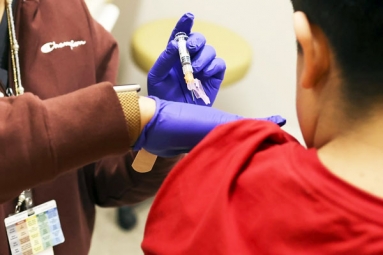
Stay Up to Date with Vaccines: Get your flu vaccine every year to reduce the chances of getting co-infected. Follow local health recommendations about outbreaks and try to avoid traveling to areas that are affected if you can.